
Biodynamic Craniosacral Therapy in Williamsburg | Brooklyn, NY
Gentle, fully clothed Biodynamic Craniosacral Therapy using light, still touch in Williamsburg, Brooklyn. Learn what a session involves and whether it may fit your needs.
The work is quiet and subtle.
Some forms of therapeutic work ask you to find the words. Biodynamic Craniosacral Therapy begins with stillness, therapeutic touch, and the possibility that the body may need less effort, not more, in order to settle.
What is Biodynamic Craniosacral Therapy?
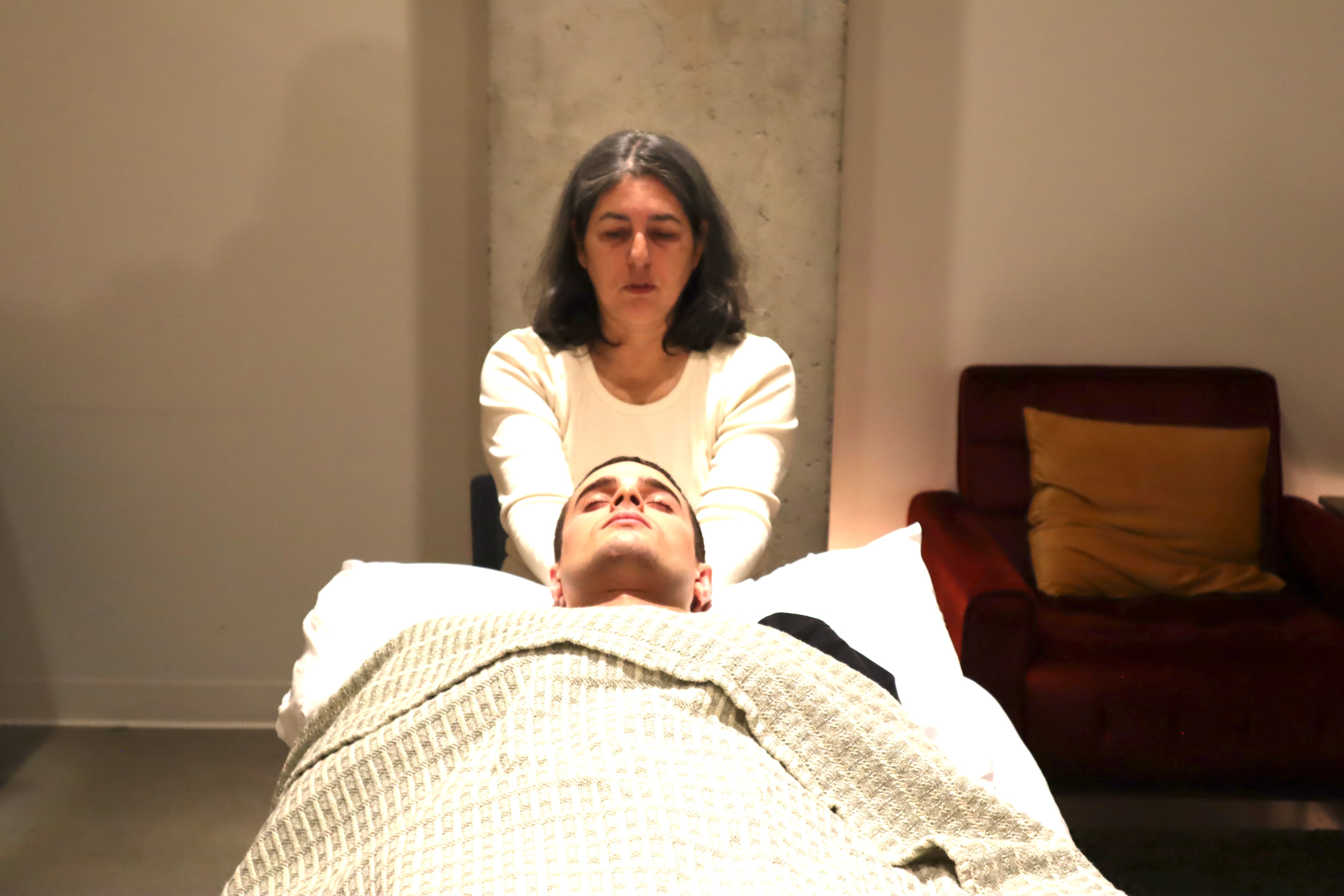
Biodynamic Craniosacral Therapy, often shortened to BCST, is a gentle, non-invasive, hands-on practice. Sessions are typically received fully clothed on a massage table while the practitioner uses light, still contact at areas such as the feet, head, shoulders, spine, or sacrum.
Within the biodynamic tradition, practitioners are trained to listen for subtle changes in the whole system rather than manipulate the body or force a correction. The work is quiet and may include long periods with little or no conversation. At Williamsburg Body Mind Therapy, BCST is offered within a clinically informed, consent-based setting and may complement psychotherapy or stand as a separate bodywork session depending on the arrangement we establish.
BCST is not a medical diagnosis or treatment, and it should not be used in place of evaluation for pain, neurological symptoms, injury, or other health concerns. Research on craniosacral approaches is limited and mixed. I describe the work as a supportive practice that some clients experience as settling, restorative, or helpful for body awareness—not as a cure for a disease or a guaranteed way to alter a specific physiological system.
What concerns may this work support?
People often seek BCST when they feel chronically tense, depleted, overstimulated, disconnected from their bodies, or unable to settle through ordinary rest. It may appeal to clients who have done extensive verbal therapy and want a quieter, nonverbal complement, or to those who are moving through a demanding period and need a session organized around receiving rather than performing.
Some clients report greater ease, deeper rest, emotional awareness, or changes in how tension is experienced after a session. Others notice very little in the moment. Responses vary, and the absence of a dramatic experience does not mean that you have done anything incorrectly.
BCST should not be marketed as a treatment for concussion, chronic illness, hormonal disorders, trauma, digestive disease, or psychiatric diagnoses without appropriate evidence and medical collaboration. If you have a recent injury, significant health condition, pregnancy-related concern, or new neurological or cardiovascular symptom, consult the relevant healthcare professional and tell me before scheduling.
What happens during a session?
We begin by discussing what brings you in, relevant health information, comfort with touch, and any areas you do not want contacted. You remain fully clothed. Once you are supported on the table, I may begin at the feet, shoulders, head, or another agreed-upon area using a therapeutic, still contact.
There is no massage, deep pressure, joint manipulation, or effort to produce a release. I may periodically ask what you are noticing, or we may allow the session to remain mostly quiet. You may feel warmth, tingling, heaviness, movement, emotion, sleepiness, or nothing in particular. You can ask for a change in pressure, position, temperature, lighting, or contact at any time.
At the end, we allow time to transition slowly and briefly reflect on the experience. Because people sometimes feel very relaxed, it can be useful to leave a little space before returning to a demanding schedule.
Other common questions
No. BCST does not require movement experience, physical fitness, flexibility, or participation in Dance Movement Therapy. You are usually resting on the table. If lying down is uncomfortable or inaccessible, we can discuss supported or seated adaptations, although not every setup will be appropriate for every person.
Yes. BCST is a hands-on service, and therapeutic touch is central to the method. Consent is specific and ongoing. Before we begin, we discuss where contact may occur, what areas are off limits, and how you prefer to communicate a pause or change. You can withdraw consent at any time.Touch is generally over clothing. It is light and still rather than massaging or manipulating. If you want body-aware psychotherapy without touch, Somatic Therapy or Dance Movement Therapy may be a better fit.
No. Biodynamic Craniosacral Therapy requires in-person contact and is offered only at the Williamsburg, Brooklyn studio. Virtual sessions are available for somatic psychotherapy, trauma-informed therapy, and some movement-based work, but they are not a substitute for hands-on BCST.
Talk therapy primarily uses the therapeutic conversation. BCST is received through quiet, supported contact and attention to bodily experience. It may occur alongside psychotherapy, but it is not the same as psychotherapy and does not require you to tell a detailed story.
When BCST is integrated into an established therapeutic relationship, we may reflect on emotions, images, or patterns that arise. Even then, I do not assume that a bodily sensation proves a particular memory or psychological meaning. Your experience remains yours to describe.
BCST may suit adults who are comfortable with therapeutic touch, want a quiet and non-directive experience, or need a form of support that does not depend on constant conversation. It may be particularly appealing during periods of chronic stress, creative depletion, caregiving fatigue, or transition.
It is not appropriate for someone who does not want touch, needs medical treatment, is in an acute mental health crisis, or is seeking a forceful form of bodywork. Certain medical circumstances may require clearance or a different provider.
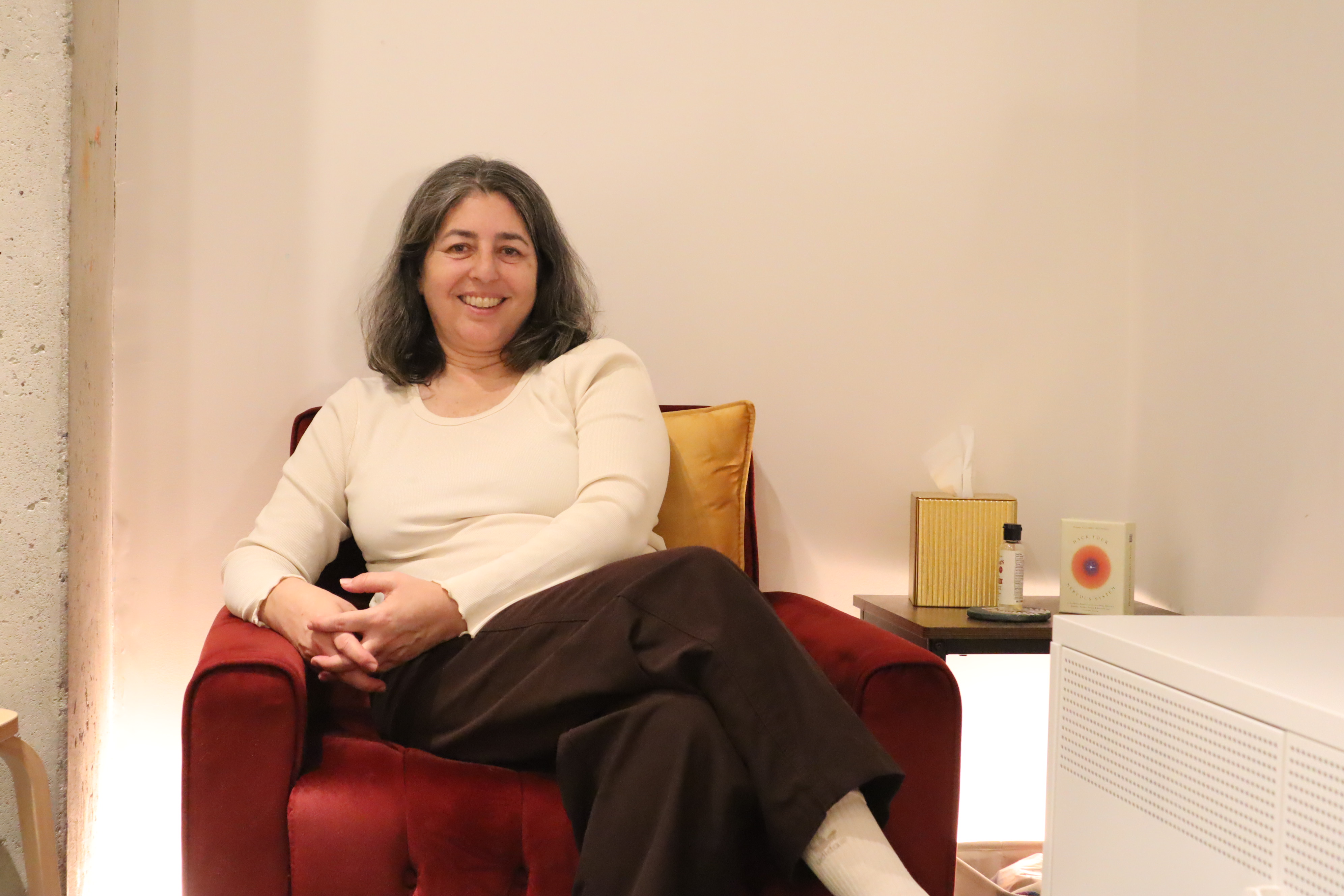
I am certified in Biodynamic Craniosacral Therapy and bring the work into a practice grounded in more than 20 years of mental health experience. I am also a New York State Licensed Creative Arts Therapist and Board-Certified Dance/Movement Therapist, with 16 years of inpatient psychiatric experience at Bellevue Hospital.
This combination matters because I approach touch with attention to consent, trauma history, emotional responses, boundaries, and clinical scope. I do not treat the body as separate from the person receiving the work.
Biodynamic Craniosacral Therapy is offered in person at 109 N. 12th Street in Williamsburg, Brooklyn. The studio provides a private setting for fully clothed table work. BCST is not available virtually.
