
Safe and Sound Protocol (SSP) in Brooklyn & New York
Provider-guided Safe and Sound Protocol listening support in Brooklyn and remotely across New York when appropriate. Learn about pacing, headphones, fit, and integration with therapy.
Guided listening as therapy.
Sometimes a person understands what safety should feel like but remains physically organized around vigilance, withdrawal, or sensory protection. The Safe and Sound Protocol is a provider-guided listening intervention designed to be integrated carefully into broader therapeutic work - not used as a stand-alone cure.
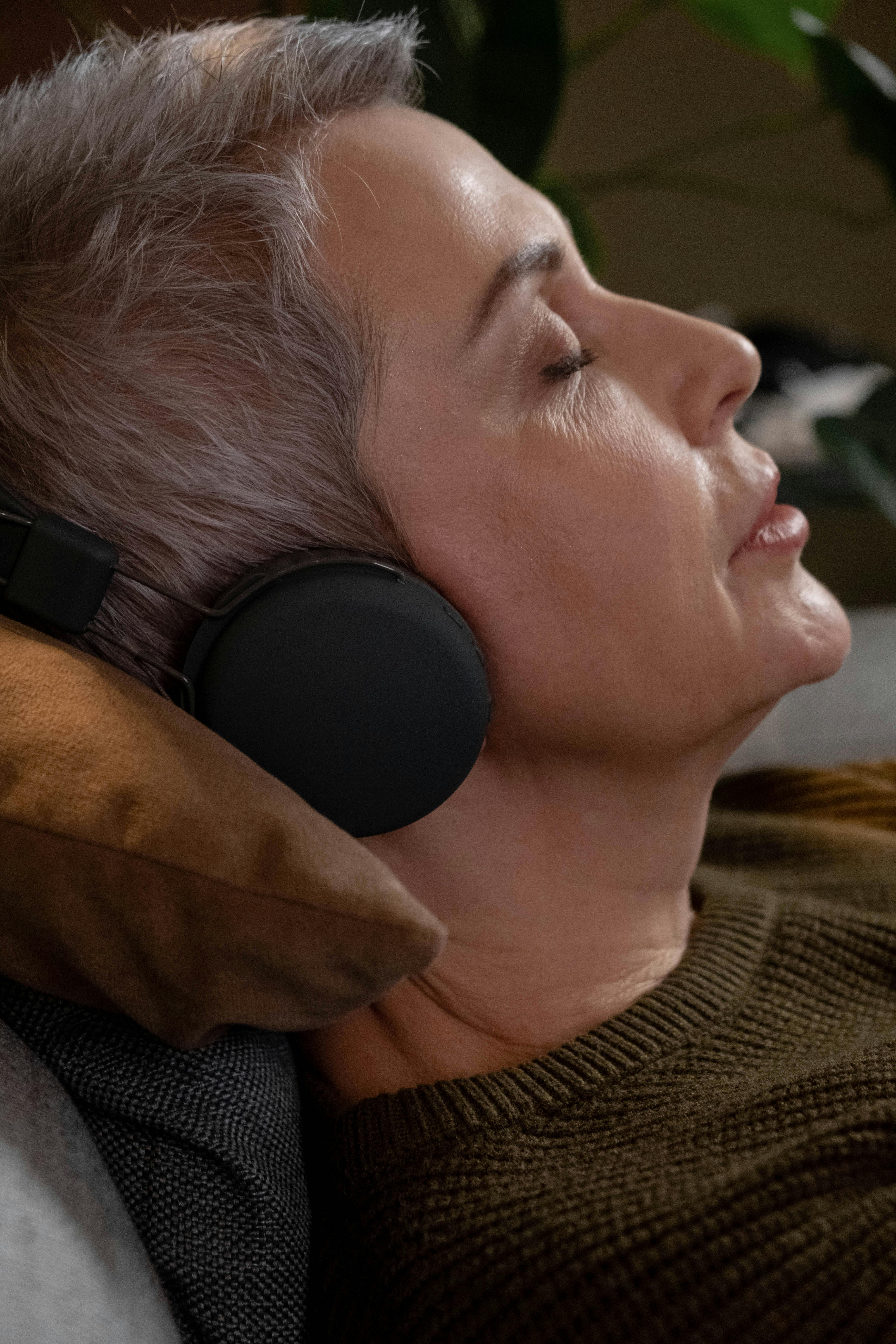
What is the Safe and Sound Protocol?
The Safe and Sound Protocol, commonly called SSP, is a listening program developed by Dr. Stephen Porges and offered through Unyte Health. It uses specially processed music delivered through headphones. The program is informed by Polyvagal Theory and is designed to provide auditory input associated with regulation, social engagement, and receptivity.
SSP is not ordinary music therapy, a relaxation playlist, or something you simply purchase and complete on your own. It is delivered by a trained provider who screens for fit, determines pacing, monitors responses, and integrates the listening with supportive therapeutic work.
Research on SSP is emerging, and the strength of evidence varies by population and outcome. Unyte states that its programs are not medical devices and are not intended to diagnose, treat, cure, or prevent disease. I therefore present SSP as an adjunctive, provider-guided resource that may support regulation and engagement for some people—not as a replacement for psychotherapy, medical care, occupational therapy, or evidence-based treatment for a diagnosed condition.

What concerns may SSP support?
SSP may be considered when auditory sensitivity, sensory overwhelm, persistent vigilance, social withdrawal, difficulty settling, or limited access to a felt sense of safety interferes with daily life or therapeutic work. Some neurodivergent adults, including people with ADHD or autism, explore SSP as one part of individualized support, but it is not a treatment or cure for neurodivergence.
The protocol may also be useful when a client becomes activated or disconnected quickly and needs a slower pathway into psychotherapy. The goal is not to eliminate normal stress responses. It is to explore whether carefully titrated listening can make greater flexibility, connection, or participation more accessible.
Not everyone responds positively. Some people may notice increased sensitivity, fatigue, emotion, agitation, sleep changes, or other reactions. These possibilities are why screening, pacing, and provider contact matter.
What happens during SSP?
We begin with an assessment and conversation about your goals, sensory profile, trauma history, mental and physical health, current supports, and previous responses to music or headphones. We discuss what to monitor and create a plan for listening that is intentionally gradual.
During listening, you use compatible headphones and the Unyte Health app or provider-managed setup. You may listen in the Brooklyn studio or, when clinically appropriate, through remote delivery. Listening periods are titrated rather than automatically completed in long blocks. For a sensitive system, less may be more.We track changes during and between sessions. This may include sleep, mood, sensory experience, energy, digestion, social engagement, anxiety, concentration, or the ability to remain present. Tracking does not prove that every change was caused by SSP; it helps us make cautious decisions about pacing.
Supportive activities may include orienting, gentle movement, drawing, grounding, or simple conversation. The listening is integrated into the therapeutic relationship rather than treated as a passive technology that does the work for you.
Other common questions
No. SSP is a listening protocol. You do not need dance training or movement experience. Some people prefer to sit quietly, while others benefit from a gentle activity during listening. Any movement is optional and should not distract from noticing how the listening is affecting you.
No. SSP itself does not involve touch. It uses headphones and provider-guided listening. If SSP is part of a broader treatment plan that also includes Biodynamic Craniosacral Therapy, that is a separate service with a separate consent conversation. You can receive SSP without any hands-on work.
Yes, remote delivery is possible through the Unyte Health app when it is clinically appropriate and the client is located in New York State. Remote delivery does not mean unsupported delivery. We establish contact, pacing, monitoring, and a plan for what to do if listening becomes uncomfortable.
Some clients begin in person before moving to remote listening. Others may be appropriate for provider-guided remote work from the start. The decision depends on sensitivity, stability, privacy, available support, and the broader clinical picture.
Talk therapy works through conversation, relationship, meaning, emotion, behavior, and many other pathways. SSP uses structured auditory input. It does not process a trauma narrative, provide insight by itself, or replace the relational work of therapy.When integrated thoughtfully, the listening may make it easier for some clients to participate in therapy or notice bodily states. The conversation then helps us understand and contextualize what is changing.
Talk therapy primarily uses the therapeutic conversation. BCST is received through quiet, supported contact and attention to bodily experience. It may occur alongside psychotherapy, but it is not the same as psychotherapy and does not require you to tell a detailed story.
SSP may suit adults who can tolerate headphone-based listening, have adequate support and stability for outpatient work, and are willing to proceed gradually. It may be considered for sensory sensitivity, chronic vigilance, social disconnection, or difficulty accessing regulation despite insight.
It may not be appropriate during acute psychiatric instability, active mania or psychosis, uncontrolled suicidality, severe substance withdrawal, certain neurological or medical situations, or when headphone listening is intolerable. This list is not exhaustive. Screening and coordination with other providers may be needed.
I am trained as a Safe and Sound Protocol provider and integrate SSP within a practice grounded in mental health licensure and extensive clinical experience. I am a New York State Licensed Creative Arts Therapist, Board-Certified Dance/Movement Therapist, and somatic practitioner with more than 20 years of clinical experience, including 16 years at Bellevue Hospital. My role is not only to provide access to the audio program. It is to assess, pace, track, and place the listening within a larger understanding of your history, current needs, and therapeutic goals.
SSP is available through Williamsburg Body Mind Therapy in Brooklyn. Depending on clinical fit, listening may be supported in person at the Williamsburg studio or delivered remotely to adults located throughout New York State using the provider platform and app.
