
Rest and Restore Protocol (RRP) in Brooklyn & New York
Provider-guided Rest and Restore Protocol listening support for stress, fatigue, and settling. Available in Brooklyn and remotely across New York when appropriate.
Support for Settling & Restoration
There is a kind of exhaustion that is not solved by one good night of sleep or a weekend away. Rest and Restore Protocol is a provider-guided listening program designed to support conditions for settling and restoration. In my practice, it may be integrated with somatic awareness and, in person, other restorative body-based work.
What is the Rest and Restore Protocol?
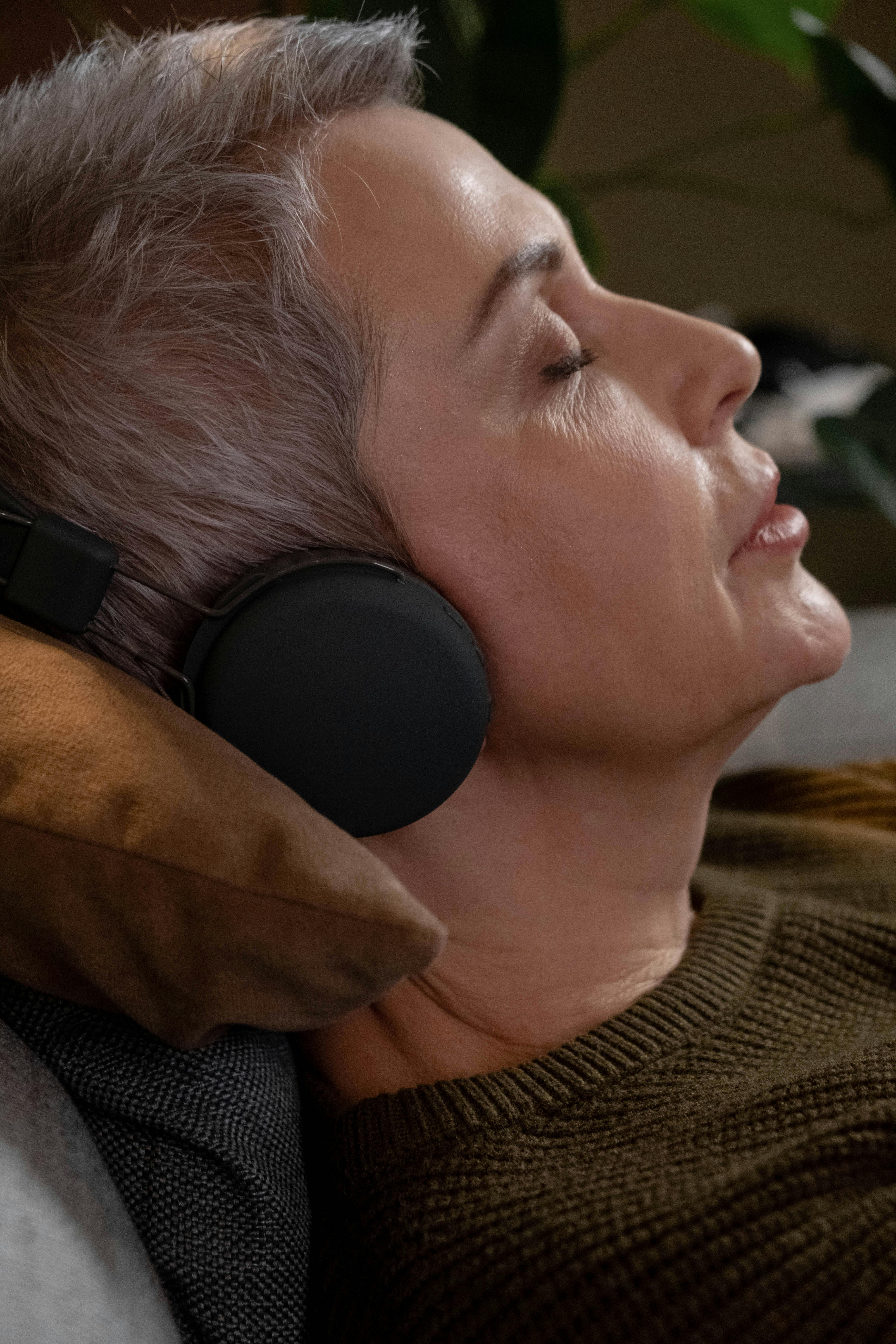
Rest and Restore Protocol, or RRP, is a structured listening program from Unyte Health, developed by Dr. Stephen Porges and sound innovator Anthony Gorry. It uses purpose-composed, rhythmically organized sound through headphones and is intended to be delivered under the guidance of a trained provider.
Unyte describes RRP as a ten-session listening course designed to support rest, restoration, and physiological balance. The program is informed by behavioral neuroscience and ideas about rhythmic entrainment and homeostasis. The listening experience is different from a commercial relaxation playlist and different from the filtered vocal-frequency emphasis used in the Safe and Sound Protocol.
The evidence base for RRP is early and still developing. Unyte describes pilot data and real-world observations, but the protocol is not a medical device, diagnostic service, or stand-alone psychological treatment. I present it as a supportive adjunct that some people may find settling—not as a cure for fatigue, insomnia, anxiety, digestive illness, hormonal symptoms, or any other condition.
How is RRP integrated at Williamsburg Body Mind Therapy?
RRP is the listening component. In my practice, the broader Rest and Restore experience may also include somatic grounding, quiet reflection, and unhurried therapeutic presence. When sessions are in person and you separately consent, Biodynamic Craniosacral Therapy may be considered as an additional service. It is important to keep these elements distinct: RRP itself is auditory and does not require hands-on treatment.
Some clients use RRP as preparation for deeper psychotherapy. Others use it during a demanding season when the immediate need is to increase capacity for rest and reconnection. We decide together what role it is meant to play.

What concerns may RRP support?
RRP may be considered for adults who feel chronically depleted, have difficulty transitioning out of high-performance or caregiving mode, struggle to settle, or notice that stress is affecting sleep, energy, emotional availability, or awareness of bodily needs. It may also appeal to people who are easily overwhelmed by more activating interventions and want to begin with a gentler listening experience.
Clients navigating perimenopause, menopause, chronic stress, or major life transitions may recognize the need for a different relationship with rest. RRP does not treat hormonal or medical conditions, and symptoms such as persistent fatigue, sleep disruption, heart palpitations, pain, or digestive change should be evaluated medically when appropriate.
The aim is not to make you calm at all times. Healthy regulation includes energy, emotion, mobilization, and recovery. The protocol explores whether structured listening can support greater access to rest and steadiness as part of a broader plan.
What happens during RRP?
We begin with screening and a conversation about your health, sleep, stress, sensory preferences, current treatment, and goals. We identify what would be useful to track and discuss realistic expectations. If RRP appears appropriate, I assign listening through the provider platform and Unyte Health app or facilitate it in the Brooklyn studio.
The official program is organized as a ten-session course, but delivery is still individualized. Listening may be titrated according to your response rather than rushed. You use headphones and remain in a comfortable position. Some people prefer to rest quietly; others draw, knit, or engage in a simple non-demanding activity.
We monitor what happens during and between listening sessions. You may notice changes in tiredness, sleep, emotion, appetite, digestive comfort, tension, or the ability to slow down. A change is not automatically proof of benefit, and not every change should be attributed to the protocol. Tracking helps us decide whether to continue, pause, or adjust.
Other common questions
No. RRP is a listening protocol and does not require movement or dance. Gentle stretching, orienting, or a comfortable change in position may be used if helpful, but there is no performance and no required exercise.
Not in RRP itself. You listen through headphones. If we also include Biodynamic Craniosacral Therapy in an in-person plan, that is a separate hands-on service using therapeutic touch, with explicit and ongoing consent. You may receive RRP without any touch.
Yes. The Unyte platform supports provider-guided remote listening. Adults located in New York State may be able to complete portions of the protocol at home while meeting with me for monitoring and integration. Remote delivery is offered only when privacy, stability, technology, and support are adequate.
RRP may also be delivered in person in Williamsburg. Some clients prefer the containment of the studio, particularly at the beginning, while others value the ability to listen in the environment where rest is most needed.
Traditional talk therapy works primarily through conversation and relationship. RRP uses structured sound to create a provider-guided restorative listening experience. It does not analyze beliefs, process memories, or resolve relationship patterns by itself. Those dimensions can be explored before or after listening within therapy.
RRP and SSP are both Unyte listening programs, but they use different audio designs and have different primary intentions. SSP is generally framed around social engagement, auditory processing, and readiness for connection. RRP is framed around settling, restoration, and homeostatic support. A consultation helps determine whether either program fits your needs.
RRP may suit adults who are depleted, chronically stressed, able to tolerate headphone listening, and interested in a gradual adjunct to psychotherapy or somatic work. It may be particularly relevant for high-performing professionals, caregivers, artists, and people in major transitions who find that stopping feels unfamiliar or difficult.
It is not a replacement for medical evaluation of fatigue, insomnia, hormonal symptoms, digestive concerns, or cardiovascular symptoms. It may not be suitable during acute psychiatric instability, certain medical or neurological circumstances, or when headphone-based sound is intolerable. We assess rather than assume.
I am trained as a Rest and Restore Protocol provider and offer the program within a licensed mental health and somatic practice. I am a New York State Licensed Creative Arts Therapist, Board-Certified Dance/Movement Therapist, certified Biodynamic Craniosacral Therapy practitioner, and somatic clinician with more than 20 years of experience, including 16 years at Bellevue Hospital. This background allows me to integrate the listening with careful assessment, consent, trauma awareness, and an understanding of when another kind of care is needed.
Rest and Restore Protocol is available through Williamsburg Body Mind Therapy in Brooklyn. It may be delivered in person at 109 N. 12th Street in Williamsburg or, when clinically appropriate, through provider-guided remote listening for adults located throughout New York State.
